December 1-2, 2022
Two days of inspirational sessions, all from the comfort of your home!
Register Now
December 1-2, 2022

Join other school counseling professionals for 30 hours of inspirational keynote sessions, informative breakout sessions, in-depth looks at hot topics in the school counseling profession and networking opportunities, all from the comfort of your home.
Watch on demand any time through March 3, 2023, and earn up to 3 CEUs/30 Contact Hours. One and two graduate credits are also available.

$99
ASCA members
$249
Nonmembers
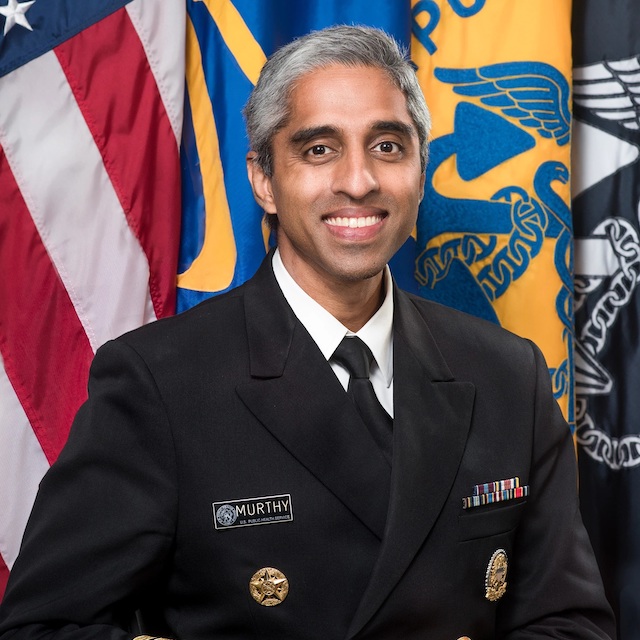
U.S. Surgeon General
Thursday, Dec 1, 2021 | 1-1:45 p.m. ET

U.S. Surgeon General
Thursday, Dec 1, 2021 | 1-1:45 p.m. ET
The obstacles this generation of young people face are unprecedented and uniquely hard to navigate. As a result, youth mental health was a major and worsening public health crisis even before the COVID-19 pandemic disrupted nearly every aspect of young peoples' lives. The critical role school counselors play in protecting and preserving youth mental health has never been more important. Join Dr. Vivek Murthy for an important discussion of how we view, prioritize, treat and prevent mental health challenges in young people across the country.
Dr. Vivek H. Murthy is currently the 21st surgeon general of the United States and the author of the 2021 Surgeon General's Advisory on Protecting Youth Mental Health. As the nation’s doctor, the surgeon general’s mission is to help lay the foundation for a healthier country, relying on the best scientific information available to provide clear, consistent, and equitable guidance and resources for the public. As the vice admiral of the U.S. Public Health Service Commissioned Corps, Murthy also commands a uniformed service of more than 6,000 dedicated public health officers, serving the most underserved and vulnerable populations. The first surgeon general of Indian descent, Murthy was raised in Miami and is a graduate of Harvard, the Yale School of Medicine and the Yale School of Management.
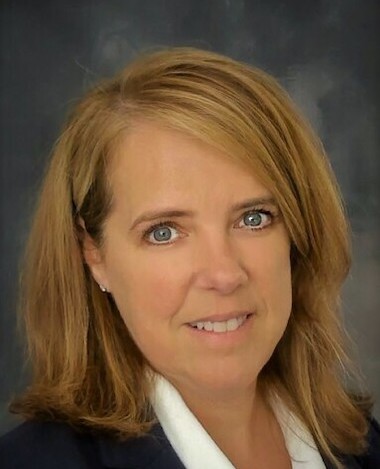
Director, CDC Division of Adolescent and School Health
Friday, Dec 2, 2021 | 3-3:45 p.m. ET
Director, CDC Division of Adolescent and School Health
Friday, Dec 2, 2021 | 3-3:45 p.m. ET
Turn Around Negative Mental Health Trends
Our nation’s youth are experiencing a mental health crisis. Adolescent mental health was moving in the wrong direction before the COVID-19 pandemic, and the pandemic resulted in disruptive experiences that further eroded mental health. CDC data collected during the pandemic shows that too many young people are reporting poor mental health, as well as suicidal thoughts and behaviors. There are also significant disparities in these experiences and behaviors among some groups of youth, including female students and LGBTQ+ students. When schools are safer and more supportive, students’ health and well-being improve. Supporting school counselors and other school staff in their work to improve school environments will be critical to turning these negative mental health trends around and promoting the well-being of our nation’s youth.
Dr. Kathleen Ethier is a social psychologist and the director of CDC's Division of Adolescent and School Health in the National Center for HIV, Viral Hepatitis, STD and TB Prevention. She has served as a leader in adolescent health as well as other capacities since 1999. Prior to joining CDC, Ethier spent six years on the research faculty at Yale University studying HIV, STDs and unplanned pregnancy prevention among women and adolescents. Her research has primarily focused on psychosocial, behavioral and environmental factors related to adolescent mental and physical health.

Meet other school counselors from around the globe and expand your professional network.

Discover best practices, resources and evidence-based materials for your school counseling program.

Earn CEUs, Contact Hours and/or graduate credit.

With more than 30 breakout sessions, there's something for everyone at ASCA@Home. Listed below are the individual breakout sessions by day. Click on the timeslot to see each virtual session offered. All virtual sessions will be available for on-demand viewing through March 3, 2023.
Speaker(s):
Dr. Vivek Murthy, U.S. Surgeon GeneralOverview:
As school counselors, we have an ethical responsibility to serve all students and advocate for their needs. This advocacy can look as diverse as the populations of students we serve. This is especially true as we maneuver our way through the aftermath of the COVID-19 pandemic. Across the country we’re seeing an increase in students’ mental health needs. Findings from the CDC and U.S. Department of Education reveal that students of color are at an even higher risk for mental health concerns, suicide, substance abuse and racism.Learning Objectives:
Speaker(s):
Lydia McNeiley, College and Career Coordinator, City of Hammond Schools Hammond, Ind., Crystal Hatton, Assistant Professor, Liberty University, Maureen Ponce, President-Elect, Maryland School Counselor AssociationOverview:
Learn about three different free mental health and suicide prevention curriculum/training programs developed by Aevidum you can use in your school for grades K-12. The first program is six lessons for grades K-6. The second, for grades 7-12, is a five-module curriculum on building positive mental health, encouraging help seeking and strengthening knowledge and awareness with students. Students learn about the difference between mental health and physical health, signs of depression and suicide, and coping skills. The third program is a peer-support program that can be co-facilitated by a student and adult leader. Walk away being able to provide students with the basic helping skills they need to make a difference in the life of a friend who is struggling emotionally.Learning Objectives:
Speaker(s):
Francesca Pilegg, Executive Director, Aevidum, , Counseling Supervisor, Carlisle Area School District, Carlisle, Pa.Overview:
Through engaging, educating, empowering and equipping, learn how to strengthen parental relationships and have urgent conversations about mental health support, counseling and therapy, advocacy and awareness in a post-COVID-19 climate for our biggest assets, the children we serve and their families.Learning Objectives:
Speaker(s):
Indra Owens, School Counselor, Atlantic City Public Schools, N.J.Overview:
Over the past two decades, there has been a steady increase in youth anxiety, depression, substance use and suicide, according to the CDC. As a school counselor, you have unique training and a key role in supporting student mental wellness. That’s not to say, however, that school counselors are the only ones responsible for helping students with their mental health concerns, especially when spending an excessive amount of time with one student leads to not having enough time to support all students. Learn about the school counselor’s most appropriate role in addressing students’ mental health concerns.Learning Objectives:
Speaker(s):
Wendy Rock, Assistant Professor of Counseling, School Counseling Program Coordinator, Southeastern Louisiana UniversityOverview:
Learning Objectives:
Speaker(s):
Kriya Lendzion, School Counselor, Rainbow Community School, Asheville, NCOverview:
Learning Objectives:
Speaker(s):
Danielle Orner, Former Senior Education Manager, The Trevor ProjectAudience:
All LevelsOverview:
School counselors at every level, and in all settings, encounter students who need help managing their anxiety. And with more school counselors serving students virtually, it is imperative to have evidenced-based strategies to use in working with anxious students, both in person and in the virtual setting. Get practical ideas and interventions to help your students experiencing anxiety.Learning Objectives:
Speaker(s):
Crissy Roddy, Director of Counseling, White Knoll High School, Lexington, S.C., Anna Duvall, School Counselor & Career Specialist Liaison; Team Lead, Student Transition Services, South Carolina Department of EducationOverview:
The last few years have involved transition after transition as students and staff alike navigated from distance learning to hybrid learning to in-person learning. In the 2021-22 school year, as yet another transition unfolded for staff and students – from mandatory mask protocols to optional mask protocols – we noticed a gap in students’ interpersonal and self-regulatory skills. Helping students develop protective factors that promote physical, mental and emotional health should be a schoolwide mission. As school counselors, we are poised to lead by example, starting with social/emotional learning. Focus on developing upstream supports for students to help prevent emotion dysregulation, interpersonal conflicts and social media escapism.Learning Objectives:
Speaker(s):
Ben HandrichOverview:
Hear one school district’s journey to support the social/emotional and mental health needs of all students and staff by prioritizing mental health needs pre- and post-pandemic. Walk away with a comprehensive approach to provide safe, supportive and welcoming environments.Learning Objectives:
Speaker(s):
Christy Berger, Director of School Counseling and Mental Health, Center Grove Schools, Ind.Overview:
Learning Objectives:
Speaker(s):
Angela Avery, School Counselor, Sanford Middle School, Sandford, MaineOverview:
About four million 9- to 17-year-olds have a major mental health disorder resulting in significant impairment at home, at school and with peers, according to a report of the Surgeon General’s Conference on Children’s Mental Health. At least one in five children and adolescents has a mental health disorder, and one in 10 has a serious disorder. Mental health disorders affect students’ ability to succeed in school both academically and socially. These staggering statistics underscore the importance of being cognizant of students’ mental well-being while also knowing when to refer a student to outside mental health counselors. School counselors, along with other specialized instructional support personnel, are often on the forefront of identifying behaviors that could signal something more serious.Learning Objectives:
Speaker(s):
Jennifer Kline, School Counselor, Festus High School, Festus, Mo.Overview:
Changing the culture and conversation about mental health starts by creating spaces for youth to lead and engage in social action. This generation of youth is passionate about mental health; however, they may not always feel supported in their efforts. Active Minds, an organization supporting mental health awareness and education for young adults, launched a Mental Health Advocacy Academy for BIPOC and LGBTQ+ high school students, empowering them to plan, design and implement unique mental health advocacy campaigns in their schools. Hear about Advocacy Academy campaign,s and explore ways you can champion youth-led mental health advocacy efforts and create opportunities for youth to be included as decision makers in school wellness efforts.Learning Objectives:
Speaker(s):
Maddie Baker, Program Associate- K-12 Initiatives, Active Minds, Annie Hobson, Senior Manager- K-12 Student Leadership, Active MindsOverview:
Often strategies for implementing social/emotional learning and suicide prevention are treated as distinct areas of practice within our school systems. However, a growing body of research shows that social/emotional skills and mindsets can contribute to the reduction of risk factors and increase protective factors for suicide. EDC’s multitiered school suicide prevention framework provides six components that can help schools implement comprehensive suicide prevention strategies across a multitiered system of supports and intentionally link SEL with suicide prevention efforts. Learn how SEL can play an important role in youth suicide prevention and gain strategies to promote SEL and suicide prevention in your school.Learning Objectives:
Speaker(s):
Richard Fournier, Partnerships Director, EDC Solutions, US Division, Shawna Hite-Jones, Project Manager, EDC SolutionsOverview:
How do we support our students, whether their trauma is pandemic-related or otherwise, in their hour of need? The answer is trauma-informed school counseling practices. The National Child Traumatic Stress Network encourages practices that can shield children against some or all of the negative effects of trauma. These practices, such as school success and healthy relationships, provide stable, safe and nurturing environments that will benefit all students, whether they have suffered a traumatic experience or not. Learn how to build trauma-informed lessons at the Tier 1 and Tier 2 levels.Learning Objectives:
Speaker(s):
Stephanie Lerner, Counselor Support Program Manager, Texas Education AgencyOverview:
Learning Objectives:
Speaker(s):
Russ Sabella, Professor, Florida Gulf Coast UniversityOverview:
Latinx youth are more likely than their peers to have mental health issues that often go unaddressed and untreated for a variety of reasons. Research shared by salud-america.org showed that more Latinx high schoolers attempted suicide (15.1%) than their white peers (9.8%). In addition, only 8% of Latinx parents/guardians say their child has ever used mental health care services, compared with 14% of whites. The past few years have been difficult for families with research showing that Latinx youth were among the most impacted by the disruptions of 2020. These impacts are still being felt today. Learn more about the current data/trends on Latinx Teen Mental Health and how to support the Latinx students in your school. Walk away with myriad resources.Learning Objectives:
Overview:
We know that students who have experienced trauma might not be ready to learn because their trauma history has impacted their brains. Learn different steps you can immediately implement on your way to creating a trauma-informed school that fosters the "learning brain" regardless of the student's trauma history.Learning Objectives:
Speaker(s):
Elishia Basner, School Counselor, Knox County Schools Knoxville, Tenn.Overview:
Mental health challenges are on the rise and taking a toll on many students’ well-being. Hear from an elementary school counselor who turned her love of mindfulness into a series. Receive an overview of the benefits of mindfulness, and address how to integrate mindfulness into social/emotional learning. Learn about mindful breathing, mindful listening, mindful movement and mindful seeing. Walk away with lesson plans and ideas for ways to incorporate mindfulness lessons into your school counseling program.Learning Objectives:
Speaker(s):
Angela Vera, School Counselor, Kocurek Elementary School, Austin, TexasOverview:
About half a million children in the United States suffer from OCD, yet many more remain undiagnosed until adulthood due to a lack of information and training on how to recognize symptoms in children and teens. Master’s-level diagnostic classes introduce OCD in its most stereotypical manifestations (fears of germs, obsessive counting, etc.), but OCD symptoms present in a wide variety of obsessions and compulsions that may be easy to overlook or misdiagnose without in-depth training. Learn about less common OCD symptoms and how to recognize early signs in school-aged children. Hear best practices in working with students with OCD in ways that won’t interfere with outside specialized OCD treatment.Learning Objectives:
Speaker(s):
Lauren Smestad, Licensed Mental Health Counselor, Informed OCD CounselingOverview:
Learning Objectives:
Speaker(s):
Michelle Clarke, Assistant Director of College and Career Engagement, Indiana Department of EducationAudience:
All Practice LevelsOverview:
Hear strategies for how to make comprehensive change in addressing student anxiety in your building. Examine some of the most used interventions and why many of these may often do more harm than good. Discover alternative, more effective strategies using parent book groups and professional development to introduce these concepts to both parents and school staff. Also examine your own levels of and reactions to anxiety and how all caregiver responses cannot only influence attempted interventions but also how they impact the students you serve. Walk away with ideas for both parent and educator book studies.Learning Objectives:
Speaker(s):
LeAnne Hale, School Social Worker Oconee County School District, Watkinsville, Ga., Cindy Murphy, School Counselor Educator, Grand Canyon University and University of GeorgiaOverview:
Without a doubt, school counselors want to support students who are suicidal. Any time it comes to a school counselor’s attention that a child is in danger of suicide, we recognize our obligation to call parents/guardians, even if it’s only a remote possibility that the student is at risk. The difficulty is not in the commitment to support students at risk; it’s the use of protocols quantifying suicide. Determining suicide risk is problematic on many levels, not the least of which is the difficulty of assessing the risk. Learn about a new Suicide Risk Assessment Replacement Toolkit available to help you focus on the standard of care to protect students who present as suicidal.Learning Objectives:
Speaker(s):
Yuri Nava, Ed.D., Coordinator, School Counseling, Riverside County Office of Education, Riverside, Calif., Carolyn Stone, Professor, University of North Florida, Ben HandrichOverview:
Nonsuicidal self-injury is the deliberate destruction of bodily tissue without conscious suicidal intent. Between 13% to 25% of adolescents and young adults surveyed in schools have some history of nonsuicidal self-injury. Studies have revealed that school counselors and other school-based mental health professionals feel they lack adequate knowledge and skills to appropriately intervene with these students. Ensure you have appropriate knowledge and skills to help students who engage in nonsuicidal self-injury.Learning Objectives:
Speaker(s):
Daya Patton, Ph.D., Professor of Counseling and Human Services, Wingate UniversityOverview:
The current mental health crisis requires administrators, school counselors and other mental health personnel to think and work collaboratively to meet students' growing mental health needs. Learn about a multi-prong, collaborative approach to a pre-K–12 wraparound services program, which works in tandem with the school counseling program to address students' needs.Learning Objectives:
Speaker(s):
Dianne Andree, Student Success Director, City Schools of Decatur, Decatur, Ga.Overview:
Speaker(s):
Tinisha Parker, Executive Director of Student Services, Gwinnett County School District, Ga.Audience:
All Practice Levels, All LevelsOverview:
With multiple responsibilities, along with the impact of COVID-19 and racial trauma, school counselors are at an increased risk of compassion fatigue, burnout and impairment. Learn about the impact of these risks on professional practice, assess your current levels of self-care and develop an action plan to promote your own wellness and competence.Learning Objectives:
Speaker(s):
Taqueena Quintana, Associate Professor, Counseling, Antioch University New EnglandOverview:
As students are facing more need for mental health support in school, it is important to develop a strong, collaborative mental health team. This mental health team requires the partnership of many disciplines, with school counselors and school social workers leading the charge. Learn about the roles and responsibilities of school counselors and school social workers as they collaboratively work to address the social/emotional barriers and other risk factors that impede a student’s ability to achieve academic success.Learning Objectives:
Speaker(s):
Dwayne Ham, School Counselor, Galway Elementary School, Silver Spring, Md., Consuela Robinson, Instructional Facilitator for Social Work Services, Howard County Public Schools, Md., Nikki Ham, Associate Director of Clinical Counseling and Field Experience, Bowie State UniversityOverview:
Students who require more long-term counseling often have a difficult time finding and/or paying for outside mental health services. At Richland School District Two in Columbia, S.C., district leaders brought longer-term therapy services directly to students with its Family Intervention Services (FIS), a district-funded program offered right in the schools. The services are provided at no cost to families, without billing insurance or third-party payers. FIS is an investment the school district makes in its nearly 28,000 students and their families. Hear a brief overview of the program and dive into implementation tips for your district.Learning Objectives:
Speaker(s):
Cara Thompson, Program Coordinator, Family Intervention Services, Richland School District Two, Columbia, S.C., O'Tasha Morgan, District Lead School Counselor, Richland School District Two, Columbia, S.C.Overview:
Learning Objectives:
Speaker(s):
Calan AndersonOverview:
Learning Objectives:
Speaker(s):
Regina Brown, Centralia School District, Centralia, Wash.Audience:
All Practice Levels, All LevelsOverview:
In any form, grief can be debilitating. The impact to learning alone necessitates action by school counselors and support staffs. Get an overview of the positive impact offering grief groups has on student learning and development, how and why to offer groups despite busy schedules, and effective tools and activities to use in a group regardless of students' age.Learning Objectives:
Speaker(s):
Ryan Marshall, School Counselor, South Salem High School, Salem, Ore.Overview:
Resilience and the ability to overcome difficulties is a significant predictor of success. But resilience isn’t something we’re born with; it’s built over time. With stress and anxiety on the rise in today’s youth, both can be barriers to learning. For some, anxiety is persistent, overwhelming and interferes with daily activities, thus hindering student achievement. Explore how to use evidence-based practices to support students’ mental health. Learn developmentally appropriate activities, gather resources and build a stress busters toolbox to help your students learn healthy ways to manage stress and anxiety while building resiliencyLearning Objectives:
Speaker(s):
Barbara Truluck, School Counselor, Palmer Middle School, Cobb County Public Schools, Marietta, Ga.Overview:
Learning Objectives:
Speaker(s):
Diana Virgil, Diana Virgil, Ed.S., LAPC, ACSC, NCC, NCSC | High School Counselor for Daleville City Schools | , Daleville City SchoolsOverview:
Learning Objectives:
Speaker(s):
Jennifer Hart, District Crisis Resource Counselor, Albuquerque Public Schools, Albuquerque, N.M.Audience:
All Practice Levels, All LevelsSpeaker(s):
Dr. Kathleen Ethier, Director, CDC Division of Adolescent and School Health